Source Fishing Hoodie for Anglers, Travelers, and Outdoor Workers
Source a fishing hoodie from 30 verified listings. Compare features like waterproofing, quick-drying fabric, and UPF 50+ protection. Options include polyester blends and cotton patterns with OEM customization for logos and designs; compare the available evidence and request quotations based on your requirements.
Key considerations
Products List


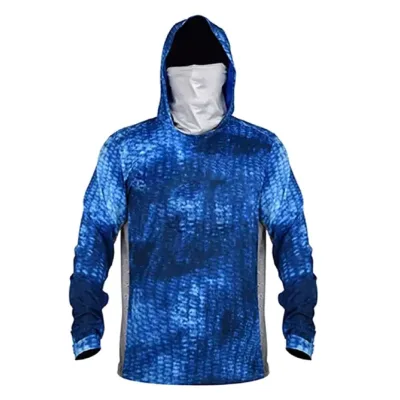
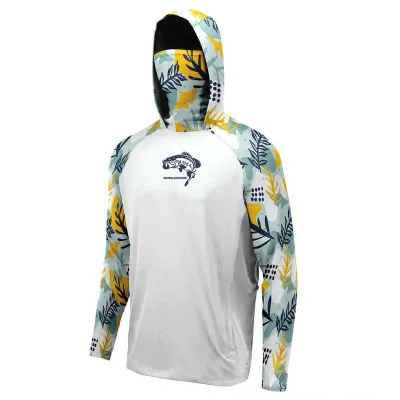
Comprehensive Sourcing Guide
Fishing Hoodie Sourcing Guide
Sourcing fishing hoodies requires identifying manufacturers who specialize in performance fabrics like polyester and spandex blends, which are frequently observed in current listings. Buyers should prioritize suppliers offering customization for logos, patterns, and specific sizing, as these features are standard for the industry. The observed product range includes models designed for windbreak, waterproof, and quick-drying capabilities, ensuring protection against harsh marine environments.
Procurement teams must verify that the selected garments meet specific functional needs such as anti-UV protection and moisture-wicking properties. Many suppliers indicate a business model focused on OEM and ODM services, allowing for tailored designs that align with brand identity. It is essential to confirm that the fabric composition supports the intended usage, whether for general fishing or high-intensity water sports, before finalizing any order.
Product Scope and Observed Listing Signals
The current market for fishing hoodies displays a wide variety of material compositions, ranging from pure cotton to advanced polyester and spandex blends. Listings often highlight features like breathability, anti-static properties, and sun protection, which are critical for extended periods on the water. Buyers should note that while some products are packaged in OPP bags, others utilize polybags or boxes, indicating different logistical requirements for the final delivery.
Observations suggest that suppliers offer flexible sizing options, including custom measurements and standard ranges from 2XS to 3XL. The product models vary significantly, with specific codes like FS-0000 and FH002 appearing in the data, reflecting diverse design approaches. Procurement professionals must distinguish between generic stock items and those with specific customization capabilities, such as custom labels and unique pattern applications, to ensure the final product matches operational needs.
Technical Specifications to Verify
Technical verification begins with confirming the fabric composition, as polyester and spandex blends are dominant for their durability and stretch. Buyers must ensure that the specified UPF rating, often observed as 50+, is clearly documented to guarantee adequate sun protection during long fishing trips. The presence of features like windbreak and waterproofing should be validated against the actual material properties to prevent performance gaps in adverse weather conditions.
Dimensional accuracy and packaging standards are equally critical, with some listings specifying exact box dimensions like 20156 cm or 35205 cm. It is necessary to cross-reference the stated delivery times, which can range from 8-10 days for samples to 60-90 days for bulk orders, against the project timeline. Verifying the specific model numbers and their associated technical attributes ensures that the ordered units meet the precise functional requirements of the fishing gear.
Compliance and Safety Documentation
While specific certification names are not universally listed in the provided data, buyers must request documentation confirming that the garments meet relevant safety and quality standards. The observed "customized" standard designation implies that compliance may vary by order, necessitating a clear agreement on which safety protocols the manufacturer will adhere to. This is particularly important for items intended for commercial use where regulatory adherence is mandatory.
Safety verification should also include checks on the chemical treatments used for water resistance and UV protection to ensure they are non-toxic and safe for skin contact. Buyers should ask for test reports regarding the anti-UV and moisture-wicking claims, as these are key selling points for fishing apparel. Establishing a baseline for safety compliance early in the negotiation process helps mitigate risks associated with product recalls or regulatory non-compliance in the destination market.
Cost Drivers and Commercial Terms
Cost structures for fishing hoodies are heavily influenced by the level of customization required, including logo placement, pattern design, and specific fabric blends. The observed MOQ ranges from a single sample to 500 pieces, with some suppliers setting a baseline of 100 pieces for standard orders. Buyers should anticipate that higher customization levels, such as unique patterns or specific branding, will increase the unit price and potentially extend the production lead time.
Commercial terms must clearly define the sample time, which is typically 7-10 days, and the bulk delivery window, often cited as 60-90 days. Shipping methods like DHL or FedEx are common, but costs can fluctuate based on the weight and volume of the order. It is vital to negotiate payment terms that align with the production schedule, ensuring that financial commitments are made only after verifying the quality of the initial samples.
Supplier Qualification and Quality Control
Supplier qualification should focus on manufacturers who explicitly state they are both producers and exporters, as this indicates direct control over the production process. The presence of OEM and ODM services suggests a capacity for adapting to specific buyer requirements, but buyers must verify the supplier's track record for delivering consistent quality across different batches. Checking the origin location, such as Taian, Guangzhou, or Shenzhen, can provide insights into the local supply chain capabilities and logistics efficiency.
Quality control protocols must be established before production begins, with a focus on verifying the stitching, fabric integrity, and the accuracy of printed logos. Buyers should request pre-shipment inspections to ensure that the final products match the approved samples in terms of color, fit, and functional features. Establishing a clear communication channel for addressing any quality deviations is essential to maintain the integrity of the brand and customer satisfaction.
Long-Term Procurement Checks
Long-term procurement success depends on maintaining a consistent relationship with suppliers who can reliably meet evolving design and volume requirements. Buyers should regularly review the supplier's ability to maintain lead times and quality standards, especially when scaling up orders from small batches to larger quantities. Continuous communication regarding market trends and new fabric technologies will help ensure that the product line remains competitive and relevant.
It is also crucial to periodically re-evaluate the cost structure and commercial terms to ensure they remain favorable as market conditions change. Establishing a feedback loop for product performance in the field can provide valuable data for future design iterations and material selections. By staying proactive in supplier management, buyers can secure a stable supply chain that supports the long-term growth and success of their fishing apparel business.
FAQs
What materials are used for fishing hoodies?
Fishing hoodies are typically made from polyester, cotton, or polyester-spandex blends. These materials offer durability and comfort for outdoor activities. Polyester provides quick-drying and moisture-wicking properties, while cotton offers breathability. Some models include anti-static features. The choice depends on whether you prioritize water resistance or softness for long fishing sessions.
Can I customize the design of a fishing hoodie?
Yes, customization is widely available for fishing hoodies. Buyers can request custom logos, names, numbers, and patterns. OEM and ODM services are common among manufacturers. You can specify sizes ranging from 2XS to 3XL or request custom sizing. Packaging can also be tailored to your requirements, such as OPP bags or boxes, ensuring your brand identity is maintained.
What is the typical MOQ for fishing hoodies?
The minimum order quantity varies by supplier. Some manufacturers accept a low MOQ of just one sample or ten pieces for testing. Others require a standard MOQ of 100 pieces. It is best to check specific supplier listings for their exact requirements. Lower MOQs are often available for custom designs, while bulk orders may have different thresholds.
How long does delivery take for fishing hoodies?
Delivery times depend on the order size and customization level. Sample production typically takes 7 to 10 days. Bulk production usually requires 60 to 90 days. Some suppliers offer faster delivery options within 8 to 10 days for specific items. Shipping methods like DHL or FedEx are used for samples, while bulk shipments follow standard logistics timelines.
What features do fishing hoodies offer?
Fishing hoodies are designed with functional features for outdoor use. Common attributes include windbreak, waterproof, and quick-drying capabilities. They often provide UPF 50+ sun protection and are breathable. Anti-UV and moisture-wicking properties help keep anglers comfortable. These features make them suitable for various weather conditions during fishing trips or other outdoor activities.
Where are fishing hoodies manufactured?
Fishing hoodies are primarily manufactured in China. Specific production locations include Taian, Guangzhou, and Shenzhen. These regions host numerous manufacturers and exporters specializing in outdoor apparel. Buyers can source directly from these areas to access a wide range of styles, materials, and customization options for their fishing apparel needs.